Electing a Spagyric
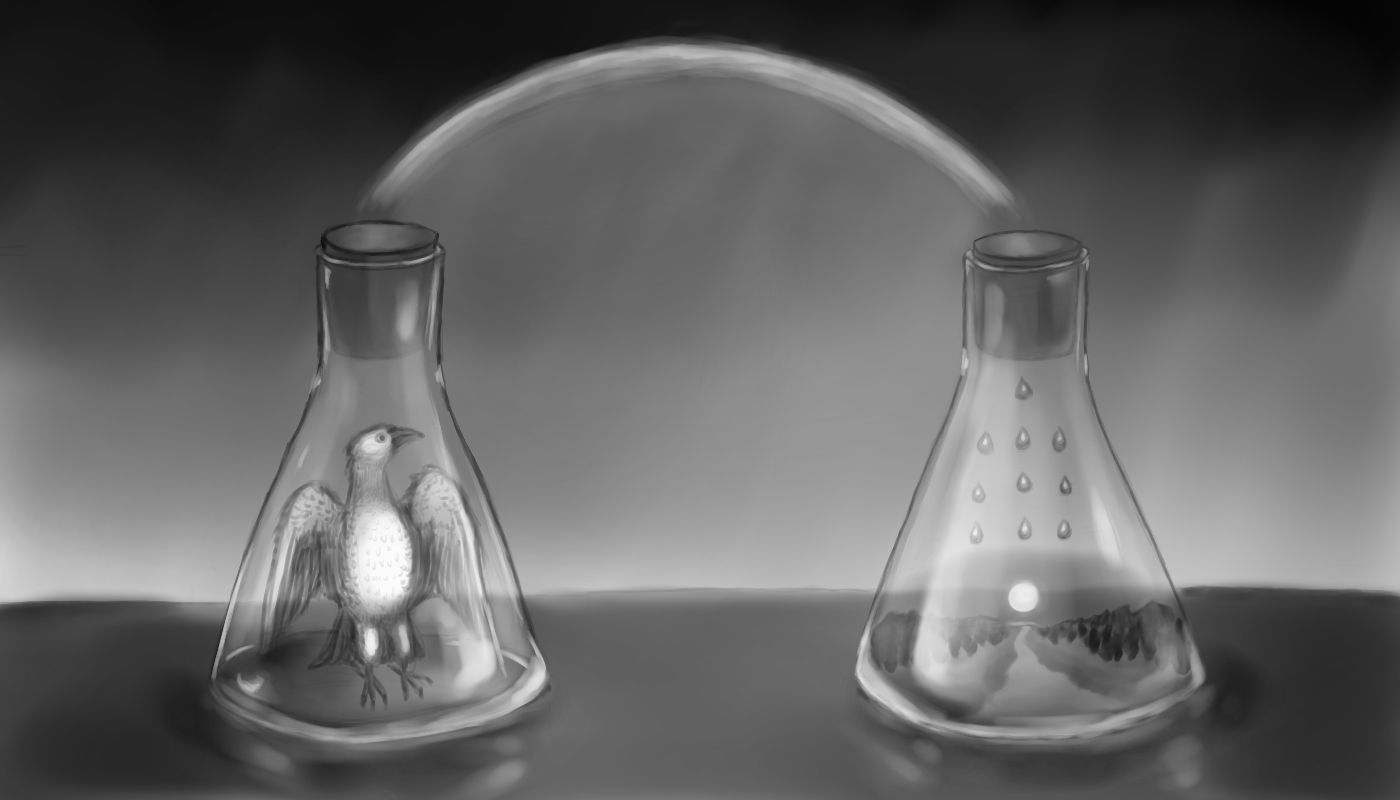
Alchemy, the Operation of the Sun: for those who aren’t practicing alchemists, those words might conjure images of early chemists laboring in smelly laboratories to turn lead into gold, or possibly something more psychological from the writings of Carl Jung. In fact, there are not just one, but many types of alchemy. One such branch of alchemy, dedicated to making energetic medicines from plants, is spagyrics. Many spagyric alchemists use the phases of the Moon and the planetary hours to time their operations. This is a very effective system; still, I wondered if I could determine rules for electing a time according to the specific conditions of the planets, so I got to work.
After obtaining a plant for an experiment, or in some cases before, the first order of business is to decide under what planetary rulership to place the herb. In some cases, this is well-established traditionally; in others, not so much. It is possible to obtain different results by placing some herbs under alternate rulerships. Since the modern planets are given zodiacal rulerships by modern astrologers, and rulerships of herbs by some modern herbalists, it may be possible to develop a system which uses these modern rulerships if operations are timed astrologically. In any case, the system of rulerships should certainly be identical across both alchemical and astrological work, and experimenting with systems other than base 7 is probably best left for experienced alchemists.
The main operation to time astrologically is the beginning of the spagyric’s creation. I consider this to be the moment when one first begins grinding the herb with the intention to open it alchemically. Performing further operations seems to build on this timing. Most of the traditional rules for elections apply to creating a spagyric: Moon in good condition, free from hard aspects to malefics, and so on. There are a few important differences, however, which I’ll cover a little later on.
The best elections are always rooted in the natal chart. Thus, even if it is traditionally bad, you may find success in working with a placement from your natal chart, or in placing one of the Lights on a point or planet in your chart. The 9th house rules alchemy in a natal chart, although the 8th house of magic sometimes gets involved, as does the 11th house of the Daimon.
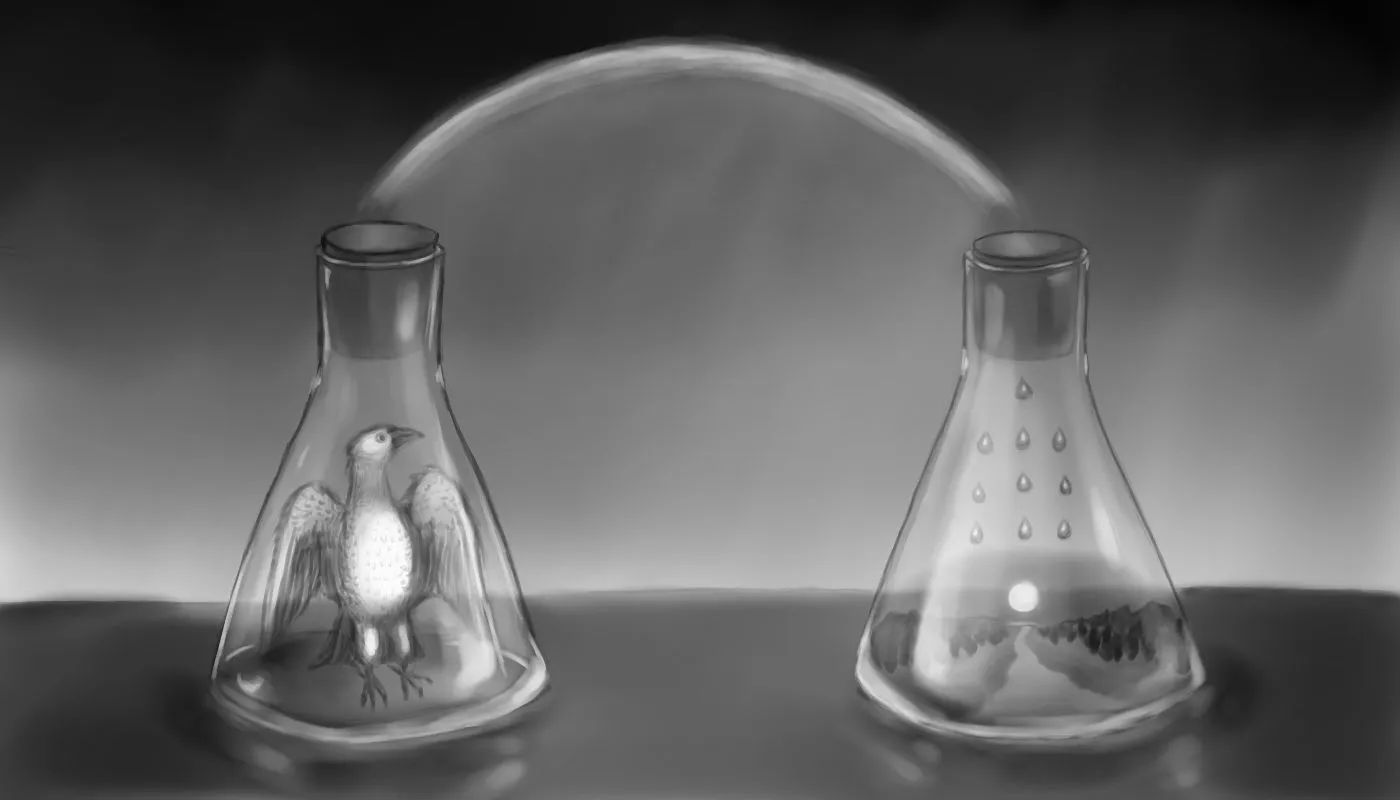 It’s actually rather literal and straightforward, as far as alchemical art goes.
Now, roughly in order of importance, here are my considerations for electing a spagyric:
Let the herb’s planetary ruler be in its rulership or exaltation, or in the sign assigned to the herb. Make the herb’s ruler angular: rising is best, while culminating is almost as good. If the herb’s ruler is placed on the Midheaven, the Ascendant and its ruler seem to represent the alchemist’s state of consciousness.
The Moon should be new or waxing. Let the Moon be in the zodiacal sign that the herb is under, or in a sign ruled by the herb’s ruler. The Moon should be free from hard aspects to malefics, and applying to a good aspect. It is more important for the Moon to support the operation from a relevant sign than to avoid her detriment or fall.
Let the Sun be in the sign the herb is placed under, or in one of the signs of its ruler’s rulership or exaltation, or in Aries or Leo.
The ruler of the herb should be free from hard aspects to malefics and the Moon.
Let Mercury be applying to a good aspect to the herb’s ruler.
Place your election under the appropriate planetary day and hour, or at least one of either the day or hour.
Place the malefics in succedent or cadent houses.
Combustion, either of the herb’s ruler or of the Moon, does not seem to negatively impact the result in any way. Similarly, it doesn’t matter whether the planetary hour is day or night.
Placing the ruling planet on the Descendant or Nadir makes the work laborious. Moon void of course makes the work slow. Angular malefics make the work difficult and may cause mistakes. Hard aspects between malefics and the ruling planet, the Moon, or the Sun likewise cause difficulty in the work and mistakes. They may cause accidents, especially if the malefics are also angular. Hard aspects between the Moon and the herb’s ruler also produce accidents.
When beginning an experiment, it is best to make the Ascendant represent the spagyric. In further operations, use the Midheaven to represent the spagyric instead. You may wish to focus your following elections on the zodiacal degrees highlighted in the original election.
Even if a less-than-perfect election makes the work more difficult, it is still possible to obtain a good result.